FREE SHIPPING FOR ORDERS OVER $50
Araku
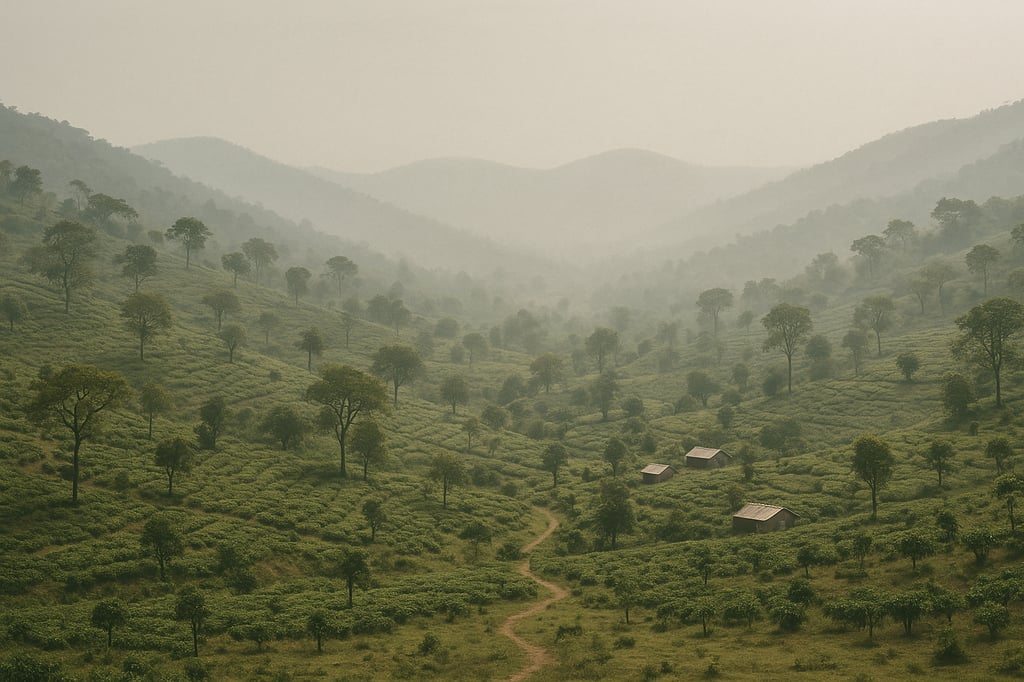
Araku Valley: Tribal, High-Altitude, Social-Impact Coffee
Araku Valley, in the Eastern Ghats of Andhra Pradesh, has gone from a remote tribal region to one of India’s most talked-about modern coffee origins. High elevations, rich forest soils and cool valley winds create ideal conditions for elegant, fruit-forward Arabica.
How coffee grew in Araku
Coffee in Araku is relatively young compared to Coorg or Chikmagalur.
It began to expand seriously in the late 20th century, when government and development programmes encouraged tribal farmers to plant coffee as a cash crop. Over time, scattered plots on forested slopes turned into a recognised coffee belt across the valley.
From the late 1990s and early 2000s, initiatives led by NGOs and farmer cooperatives started to organise thousands of small tribal growers, pushing for better agronomy, quality and market access. This is the period in which “Araku coffee” begins to emerge as a distinct identity.
Tribal smallholders and social enterprise
Unlike estate-dominated regions, Araku is almost entirely smallholder driven.
Coffee is grown by indigenous Adivasi communities on tiny plots, usually alongside food crops and forest trees.
Farmer cooperatives, supported by social-impact organisations, focused on:
- Organising producers into groups and cooperatives
- Moving to organic and regenerative practices
- Improving processing and traceability
- Building a seed-to-cup brand (Araku Coffee) that could sell directly into premium export and domestic markets
As a result, Araku has become a classic example of coffee as a vehicle for rural development and tribal livelihood security.
Varieties, shade and landscape
Araku is a high-altitude Arabica origin, with farms typically between about 900–1,400 m.
Plantings are almost entirely Arabica, grown under shade in complex agroforestry systems.
On these farms you’ll typically see:
- Multi-layer shade with native forest trees and fruit trees
- Mixed cropping with millets, vegetables and other staples
- Organic composting and soil-health practices rather than chemical inputs
The landscape feels much more like a mosaic of forest and small farms than a classic “estate”.
Araku’s modern coffee identity
Today, “Araku” on a bag usually signals:
- Organic, high-altitude Arabica from the Eastern Ghats
- Tribal cooperative coffee with a strong social-impact story
- Regenerative, shade-grown farming in a biodiversity-rich landscape
In the cup, roasters and tasters often describe Araku coffees as:
- Light to medium body
- Lively, fruit-forward sweetness
- Notes of red fruit, citrus, florals and soft nut or cocoa
For your menu or website, Araku presents a powerful combo: a distinctive, modern Indian terroir and a very clear narrative of coffee improving livelihoods for indigenous farming communities.
Taste Araku
Experience the unique flavors of this exceptional region in our curated selection.
Shop Coffees